

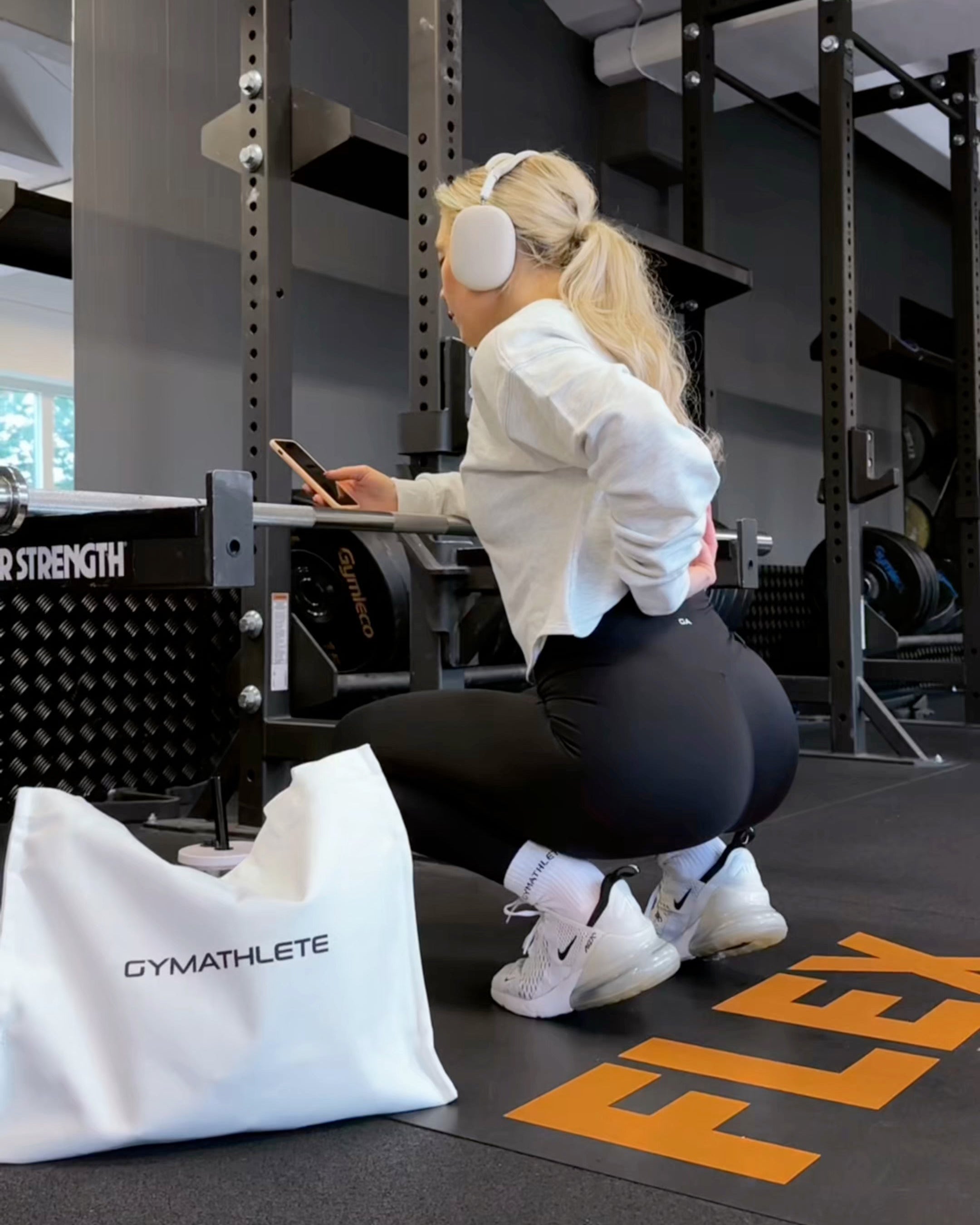
How to Choose Leggings That Don't Go Sheer When You Squat
There is one moment that quietly decides whether you trust a pair of leggings, and it has nothing to do with how they look on the hanger or in the mirror while you are standing still: the bottom of a deep squat, the point where the fabric is pulled tightest across your body and either holds its ground or betrays you. If a pair turns see-through the second you bend, no amount of comfort or clever styling makes up for it, because you end up spending the whole session adjusting your waistband and tugging your top down instead of actually training.
The good news is that squat-proof leggings are not a matter of luck or guesswork. Whether a pair stays completely opaque through every rep comes down to a handful of things you can check before you buy, and a few simple habits that keep them that way for years rather than weeks. This guide walks through all of them, from the fabric and the fit to the waistband, the seams and the way you wash them.

Why Do Leggings Go Sheer When You Squat?
When you lower into a squat, the fabric across your hips, glutes and thighs has to stretch over the widest, most curved part of your body all at once, and as it stretches the individual yarns in the knit are pulled apart from one another. If the fabric is dense and built with enough recovery, those yarns stay close together and light cannot pass through; if the knit is thin, loosely constructed or made from the wrong blend of fibres, the gaps between the yarns open up and the fabric turns sheer exactly where you least want it to.
This is why so many leggings pass the test while you are standing in front of the mirror and then fail you in the gym. Standing upright puts almost no tension on the fabric, so even a cheap, thin pair looks perfectly opaque; it is only under the load of a squat, a lunge or a hip hinge that weak construction shows. The most common culprits are low fabric weight, a high proportion of elastane with poor recovery, single-layer knits with no compression, and buying a size too small so the fabric is permanently over-stretched before you have even moved.
The Squat Test: How to Check Before You Commit
The single most reliable thing you can do, whether you are in a fitting room or trying on an online order at home, is to actually squat in good light rather than judging the leggings standing up. Drop into a deep squat in front of a mirror, or set your phone on the floor and film from behind, and look closely at the fabric stretched across your glutes and the back of your thighs. If you can make out skin tone, the outline of your underwear, or your own hand pressed flat against the fabric from the inside, that pair will go see-through mid-workout.
A few details make the test more honest. Always check in the exact colour you intend to buy, because lighter shades and heathered greys are far more prone to sheerness than solid black, and a brand can easily sell an opaque black and a see-through grey in the same style. Bend and hold rather than bouncing through it, since the fabric reveals the most at full stretch, and pay attention to the seams and the gusset as well as the main panels, because thinning often shows there first.
Fabric: The Real Reason Some Leggings Stay Opaque
If you only learn to judge one thing, make it the fabric, because it decides everything else. Two qualities matter more than any marketing claim on the label: how dense and tightly knit the fabric is, and how well the fibres recover. Heavier, denser fabric simply has more material between you and the outside world, so it stays opaque even when pulled taut, which is why genuinely squat-proof leggings always feel substantial in the hand rather than flimsy or papery.
What to look for
- A higher fabric weight and a tight, double-knit construction. Thicker, compressive fabric resists thinning under stretch, while a thin single jersey gives way the moment you load it.
- A nylon or polyamide base blended with elastane, not cheap filler polyester. The better the fibre and the blend, the more the fabric holds its shape and its colour over time.
- Strong recovery, meaning the fabric snaps back to its original size after you stretch it. Poor recovery is what makes leggings that were fine when new turn baggy and sheer after a month of wear.
- A matte rather than a high-shine finish. Very shiny fabrics tend to show every stretch line and read thinner under gym lighting.
Waistband, Seams and Gusset: The Details That Matter
Opacity is not only about the main panels of fabric; the construction around them does just as much work. A high, wide waistband that sits firmly without rolling or folding keeps the fabric over your hips under even tension, which prevents the thinning and gaping that a flimsy, low waistband allows the moment you bend forward. When a waistband rolls down in a squat it drags the whole back panel out of shape, and that is often where sheerness appears first.
Look, too, for flatlock or bonded seams that lie smooth against the skin and for a proper gusset, the small diamond-shaped panel sewn into the crotch. A gusset takes the strain off the central seam exactly where it is pulled hardest in a deep squat, and in doing so it both improves comfort and stops the fabric thinning and going translucent in the one spot that is hardest to check in a mirror.
Why the Right Size Keeps You Covered
Even excellent fabric will go sheer if you size down too aggressively, because forcing a denser knit to stretch beyond what it was designed for spreads the yarns apart in the same way a thin fabric does naturally. Supportive, sculpting leggings are meant to feel snug and held, but there is a clear difference between fabric that hugs you and fabric that is straining to contain you, and straining fabric is see-through fabric.
If you are between sizes and opacity matters most to you, sizing up is almost always the safer choice, since slightly more fabric across the widest part of your body means more coverage at full stretch, not less support. The aim is a pair that feels secure and stays exactly where you put it, without any pulling at the seams or any visible tension lines across the glutes when you bend.
How to Keep Your Leggings Squat-Proof for Years
A genuinely good pair of leggings is squat-proof on the day you buy them; keeping them that way is about how you care for them. The fastest way to ruin the recovery that keeps fabric opaque is heat, so skip the tumble dryer entirely and let your leggings air dry, because high temperatures break down the elastane that pulls the knit back into shape, and once that is gone the thinning is permanent.
The rest is simple. Wash cold and inside out on a gentle cycle, use a small amount of mild detergent, and avoid fabric softener altogether, as it coats the fibres, traps sweat and speeds up the breakdown of the stretch. Treated this way, well-made performance fabric holds its shape, its colour and its opacity through a hundred washes and more, which is also what makes a premium pair quietly cheaper per wear than the cheap leggings you replace every season. Our full guide on how to wash activewear so it lasts covers the routine in detail.

Built Squat-Proof: The Gymathlete Pulse Leggings
Everything above is exactly how we engineered the Pulse Leggings. They are cut from PulseFlex™, our signature high-recovery performance fabric, in a dense, compressive double-knit designed to stay completely opaque through the deepest squat, paired with a high-rise sculpting waistband that holds its position instead of rolling, and a gusset that takes the strain off exactly where most leggings give way. We test them where it counts, at the bottom of the rep, so you never have to think about coverage again.
Life is full of small discomforts. Your activewear shouldn’t be one of them.
Frequently Asked Questions
How can I tell if leggings are see-through before buying online?
Order your usual size and try them on in good light, then drop into a deep squat in front of a mirror before removing the tags. Press your hand flat against the fabric from the inside across the glutes and thighs; if you can see it, the leggings will go sheer in the gym. Always test in the colour you bought, since greys and pastels are far more likely to be sheer than black.
Do black leggings go sheer too?
They can. Black hides thinning better than lighter shades, so a black pair is more forgiving, but cheap, thin black leggings still turn translucent under the stretch of a deep squat. Fabric weight and knit density matter far more than the colour.
Why did my leggings go see-through after only a few washes?
Almost always heat and fabric softener. Tumble drying and softener break down the elastane that gives fabric its recovery, so the knit stops snapping back, stays stretched and turns sheer. Washing cold and inside out, skipping the softener and air drying prevents it.
Should I size up to avoid sheer leggings?
If you are between sizes and opacity is your priority, yes. Sizing down over-stretches the fabric and spreads the yarns apart, which is one of the most common reasons leggings go see-through. The right size feels snug and supported without any visible tension lines across the glutes.
Are squat-proof leggings worth the higher price?
Per wear, usually yes. A well-made pair stays opaque and holds its shape for years, while cheaper leggings that go sheer get replaced every season, so the premium pair often works out cheaper over its lifetime, on top of saving you the distraction of not trusting them.